
Cost of Food Prices and Wages in the 1800's
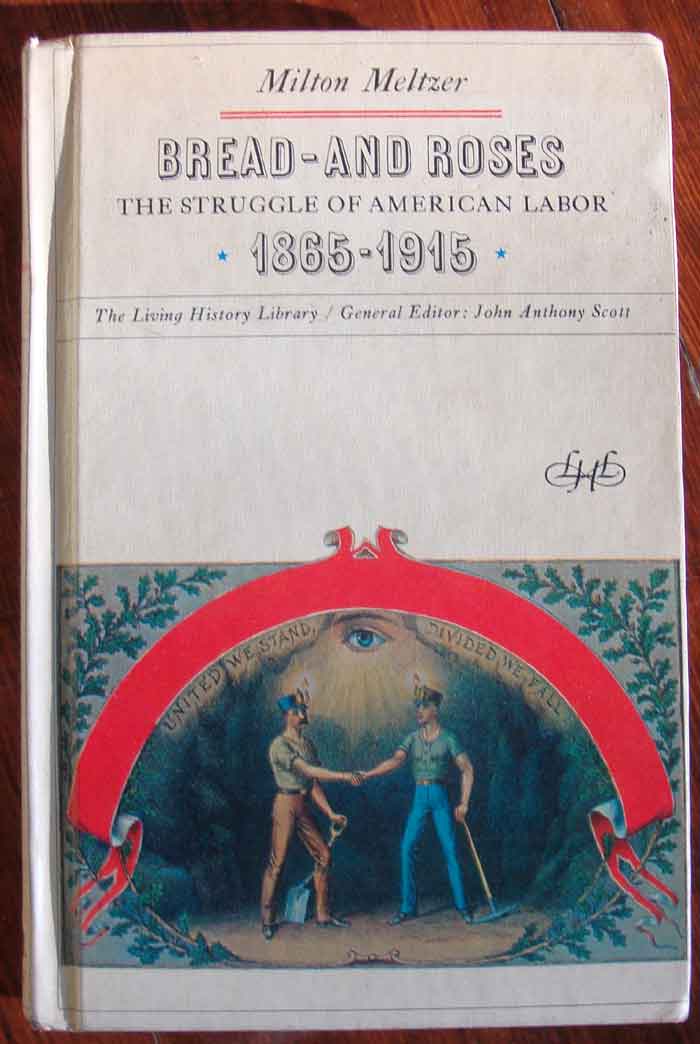
Think it was easier living during the Industrial Revolution? Here's some of the prices for food they were paying per week just to live. The information below is from a book I have called "Bread and Roses"
1800's Cost of Living
The average wage earner only made $16.00 a week. Some trades only made two, three, four, or six dollars a week. The men driving the horse drawn streetcars in New York in the 1880's made $1.75 a day working 14 to 16 hr. a day.
- 1 bag of flour $1.80
- Small measure of potatoes daily at .17 per day $1.19
- 1/4 lb of tea .38
- 1 qt milk .56
- 1 lb cheap coffee .35
- Sugar 3 1/2 lb $1.05
- 1/2 ration meats per week $3.50
- 4 lb. butter $1.60
- 2 lb. lard .38
- Dried apples for treats .25
- Vegetables .50
- Soap, starch, pepper, salt, vinegar, etc. $1.00
- 2 bushels of coal $1.36
- Kerosene .30
- Sundries .28
- Rent $4.00 week
This family spent $2.50 more a week than the father made, and had nothing left for entertainment or clothing. During the Industrial Revolution, even children were employed, and working 14 to 16 hours a day.
This information is from a book I have called Bread and Roses. See the pages with this info.

History of Coffee
Though coffee has been known to mankind since the Middle Ages, it was a luxury in frontier America. Sometimes the pioneer mother made hot, coffee like drinks of dried wheat, barley, or certain roots roasted and ground. In the South, sweet potatoes were sliced thin, browned in the oven, broken into bits and ground in a coffee mill. Grandparents tell about drinking "sweet potato coffee" during and after the Civil War period.
But when did coffee become popular in Colonial America? When England taxed the tea being imported to America, the Colonists refused to buy it and pay the tax, (which resulted in the Boston Tea Party) causing them to look for an alternative to a hot drink.
More Articles
1800's
Cost of Living
1900's How You Catch a
Cold
1900's How to Set a Dinner Table
What
did the Colonists Eat for Breakfast
What
did the Settlers eat for Dinner
Did the
Colonists have Lunch?
Brief History
of Flour Milling